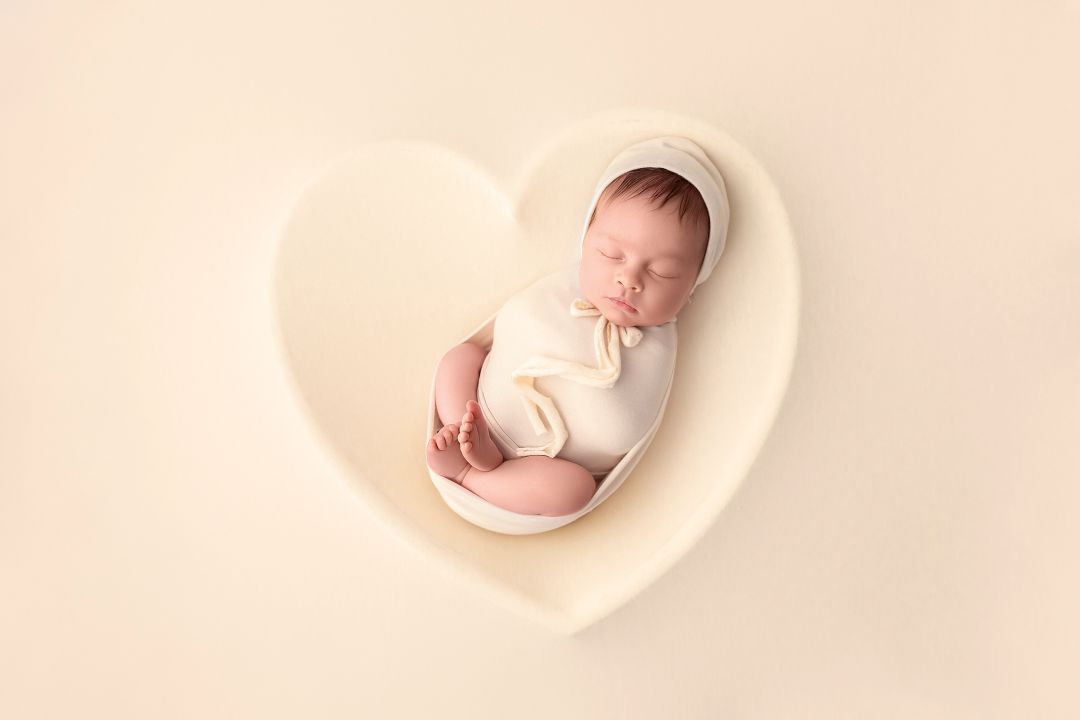
A practical approach to building smoother newborn sessions with fewer setup changes, less overwhelm, and more flexibility during the session.
Newborn sessions are already emotionally and technically demanding.
There’s constant attention split between the baby, the parents, the posing, the timing, and the flow of the session itself.
That’s why the setup matters so much. Not because it needs to look complicated — but because it should reduce friction instead of adding more of it.
When fabrics slip, tones don’t work together, or every change requires repositioning and rebuilding, the session becomes harder to manage.
A reliable foundation changes that. It creates smoother transitions, fewer interruptions, and more room to focus on the baby instead of constantly fixing the setup. Because the best newborn setups don’t just photograph beautifully. They support the flow of the session.
Why a Reliable Base Changes the Entire Flow of the Session
A newborn setup affects how easily the session flows from one moment to another.
When the base feels stable and predictable, small adjustments become faster and less disruptive. Fabrics stay in place more easily, tones work together naturally, and transitions between frames require less effort and fewer decisions.
That changes the entire rhythm of the session.
Instead of constantly managing the setup itself, photographers can focus more fully on posing, soothing, timing, and creating variation naturally as the session unfolds.
The goal isn’t creating the most elaborate setup possible. It’s creating a foundation that supports the session instead of interrupting it.

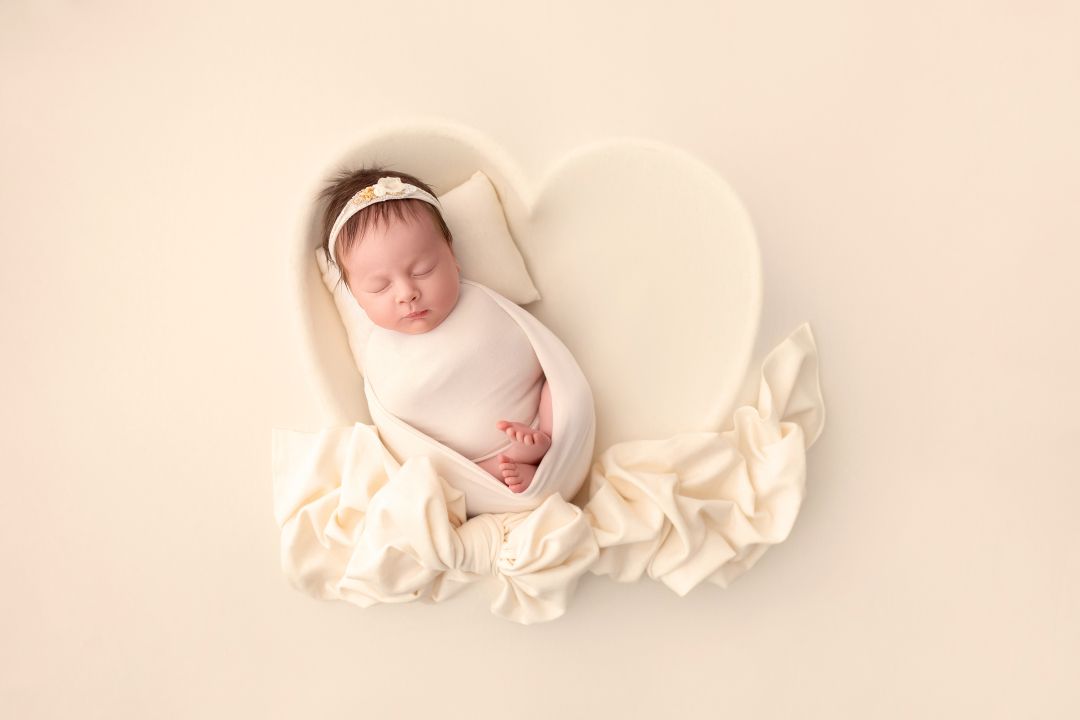
Image by Olga Tsybenko @olga_milkystudio with our Stella Backdrop Set in use
Start with One Reliable Foundation
Most newborn sessions become easier when there’s one stable foundation photographers can keep building from throughout the session.
Usually, that foundation starts with:
– a backdrop
– a wrap
– one clear tonal direction
Not because the setup needs to stay identical the entire time — but because a reliable base creates flexibility without constant rebuilding.

When the foundation already works naturally together, small adjustments become much easier.
A wrap can be changed.
A bonnet can replace a headband.
The posing can shift.
The crop can change completely.

And yet the session still feels visually consistent and easy to manage.
This is also why many photographers keep reaching for the same backdrops and wraps session after session. Not because they want every gallery to look the same — but because some pieces simply behave well during real newborn sessions.
They stretch smoothly.
They stay in place more easily.
Support posing naturally.
And reduce the need for constant adjustments during the session.
👉 Explore newborn backdrops designed for smoother workflow
👉 Read more: How to choose Beanbag Backdrop for Newborn Photography
One Base Doesn’t Mean One Look
One reliable setup base doesn’t limit creativity.
In practice, it usually creates more freedom — because photographers don’t need to restart the entire setup every time they want a different frame.
A stable foundation allows the session to evolve naturally through:
– posing changes
– crop and angle changes
– layering
– texture adjustments
– simple accessory swaps
without losing the overall flow of the gallery.
This is how create multiple images from the same setup base while still giving clients plenty of variety.
Fewer full setup changes also often mean less disruption for the baby — allowing the session to move more gently from one image to another.
Instead of rebuilding everything repeatedly, the setup becomes something flexible photographers can continue shaping throughout the session.
Small Changes Create Variety Faster Than Full Setup Changes
In real newborn sessions, variety rarely comes from changing everything at once.
More often, it comes from small adjustments that subtly change the mood, texture, or composition of the image without interrupting the setup itself.
Sometimes that means:
– replacing a headband with a bonnet
– adding a soft cheesecloth layer
– adjusting the wrap slightly
– switching from a wide frame to a close-up crop
– introducing one extra texture or detail

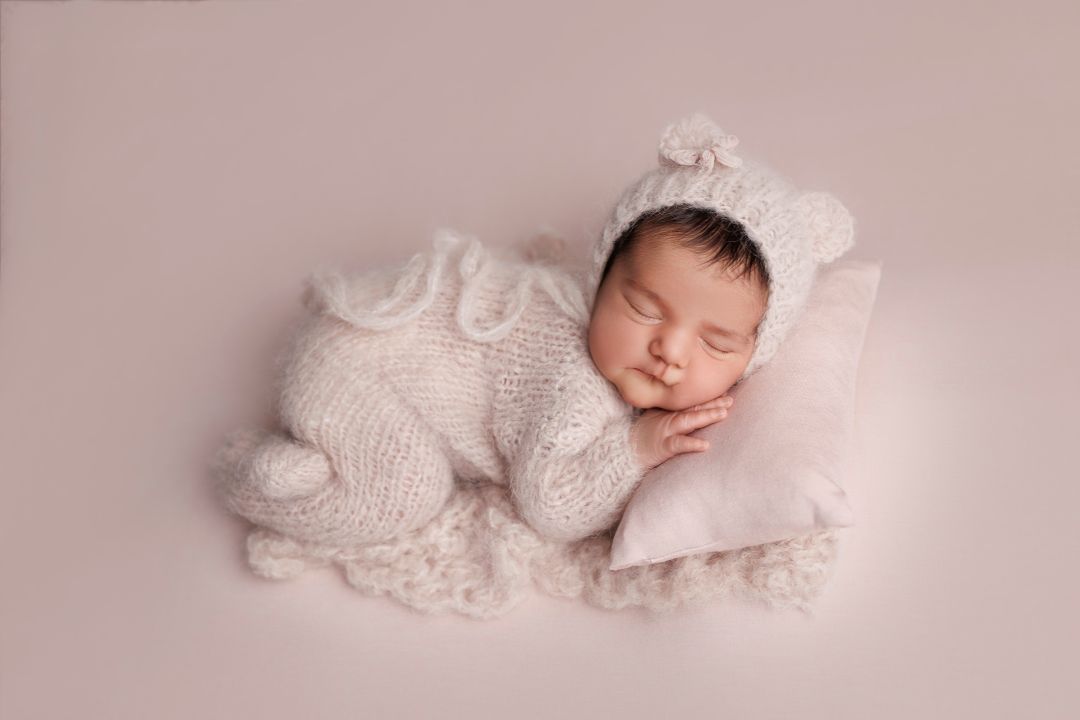
One setup. Multiple possibilities. Photography by Olga Tsybenko (olga_milkystudio) with our nude pink set in use

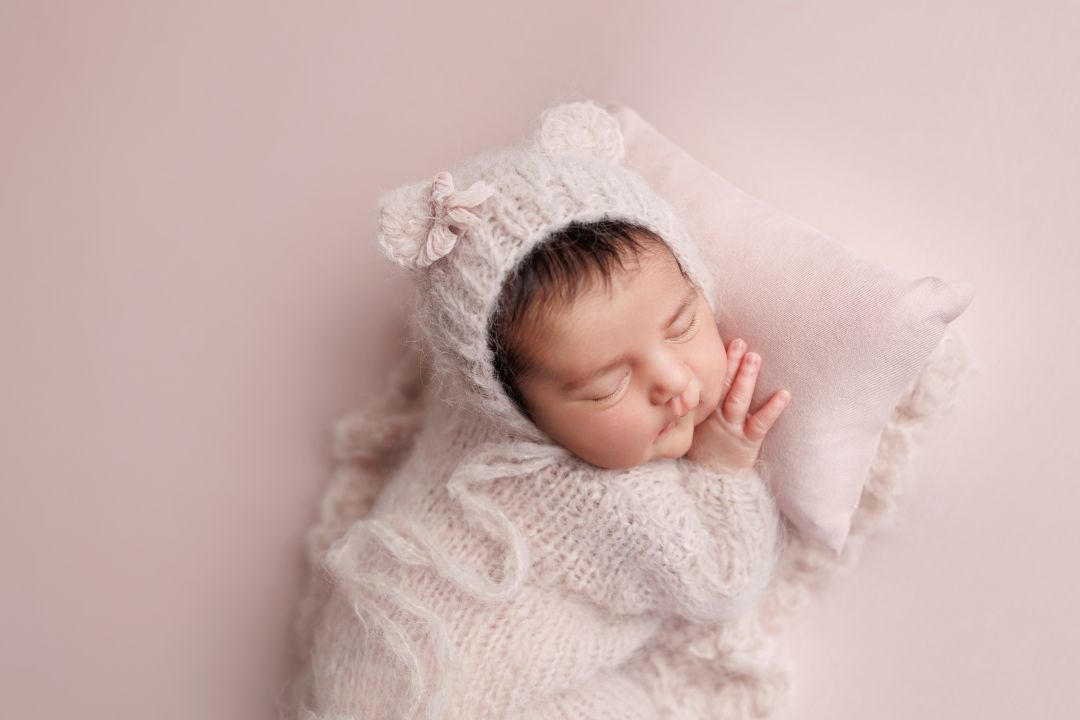
A closer crop creates a softer, more intimate frame.Photography by Olga Tsybenko (olga_milkystudio) with our nude pink set

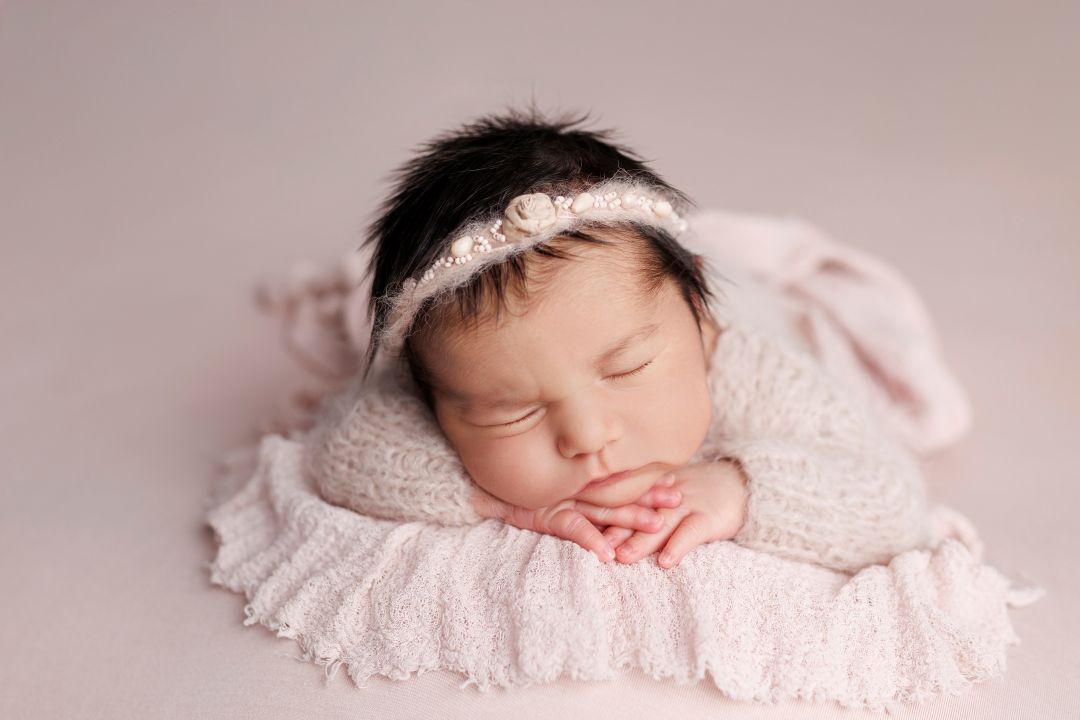
Small styling changes create a completely different mood. Photography by Olga Tsybenko (olga_milkystudio) with our nude pink set.
These small transitions often create enough variation to make the gallery feel complete — without slowing the session down unnecessarily.
And because the foundation remains stable, everything continues working together naturally.
Instead of feeling like every new image requires starting over, the setup keeps evolving in small, manageable steps.
👉 Read more: How to Match Newborn Photography Props
Why Matching Props Reduce Overthinking
During a newborn session, every extra decision adds pressure.
Does this tone work with the backdrop?
Will this texture feel too heavy?
Should the setup be changed completely — or just adjusted slightly?
Individually, these decisions seem small.
But throughout a full session, they quickly create mental overload.
That’s why matching props matter far beyond aesthetics.
When backdrops, wraps, layers, and accessories already work naturally together:
– transitions become easier
– styling decisions become faster
– adjustments feel more intuitive
– the session flows with less interruption
The real value isn’t simply having a “matching set.” It’s having a reliable starting point that removes unnecessary guesswork during the session.
A setup base that already feels balanced gives photographers more mental space to focus on:
– the baby
– posing
– timing
– connection
– creating natural variation instead of constantly evaluating whether every element still works together.
And importantly, matching doesn’t mean limiting creativity. The setup can still evolve, expand, or shift throughout the session.
But the foundation already feels controlled and dependable — which makes experimentation feel easier instead of overwhelming.

The Best Setups Don’t Fight Against the Session
Some setups look beautiful in theory — but become frustrating the moment the session begins.
Fabrics wrinkle too easily.
Layers slip out of place.
Textures become difficult to adjust.
Every small change creates more work instead of supporting the flow of the session.
Over time, many photographers naturally move toward props that simply behave well during real newborn sessions.
Soft stretch fabrics.
Stable wraps.
Matte textures.
Pieces that clip smoothly, adjust easily, and continue working reliably throughout the session.
Because during newborn photography, the setup should support the process — not constantly demand attention itself.
The best setups are often the ones photographers barely have to think about once the baby is settled.
They create a calm, reliable foundation that allows the session to move naturally from one frame to another with less interruption, less fixing, and less unnecessary stress.
👉 Read more: Best Fabrics for Newborn Photography Backdrops
👉 Read: What Size Backdrop for Newborn Photography
Why Neutral Tones Work So Well in Newborn Photography
Neutral tones are popular in newborn photography for a reason that goes far beyond trends.
They make sessions easier to style, easier to build from, and easier to keep visually calm as the gallery evolves.
Soft shades like cream, beige, warm taupe, muted grey, or gentle sage naturally support newborn skin tones instead of competing with them.
They photograph softly.
They reduce visual noise.
And they create a calmer foundation for layering textures and small styling changes throughout the session.
Neutral tones also make transitions easier.
When the colour palette already feels balanced, photographers can:
– swap accessories more freely
– introduce texture without overwhelming the image
– create variation without making the gallery feel disconnected
This becomes especially important during sessions where multiple looks are created from the same setup base.
Instead of constantly correcting strong colour contrasts or rebuilding around bold tones, the setup remains flexible and easy to evolve naturally.
And because neutral tones tend to feel softer and more timeless in camera, they also continue working well across different editing styles and gallery combinations.
The goal isn’t making every setup look identical. It’s creating a foundation that stays calm, adaptable, and easy to work with throughout the session.
A Setup Is a Starting Point — Not a Finished Formula
A newborn setup should never feel rigid.
The goal isn’t to create one perfectly finished scene that cannot change throughout the session.
Instead, the setup works best as a flexible starting point photographers can keep adjusting naturally as the session unfolds.
That foundation may stay very simple:
– backdrop
– wrap
– one tonal direction
From there, the session can evolve gradually through:
– texture layers
– accessories
– outfit changes
– posing variations
– different framing and crops
without losing consistency or flow.
This is also why many photographers prefer working with pieces designed to function together naturally.
Not because every element must always be used at once — but because the setup already feels balanced before additional decisions even begin.
A photographer may:
– use the full set
– remove certain pieces
– add additional layers
– build further around the foundation
– create multiple looks from the same base
depending on how the session develops in real time. That flexibility matters. Because during newborn sessions, the most valuable setups are rarely the most complicated ones.
They’re the ones that reduce friction, adapt easily, and create enough stability for photographers to work calmly and confidently under constantly changing conditions.
Final Thoughts
Newborn sessions will never feel completely predictable.
That’s part of working with babies — every session moves differently, every baby responds differently, and the flow can change from one moment to another.
That’s exactly why the setup matters.
Not because it needs to look complicated or perfectly styled at all times — but because it should support the session instead of creating more friction inside it.
A reliable foundation gives photographers something stable to work from.
It reduces unnecessary decisions.
Makes transitions smoother.
Creates space for flexibility without constant rebuilding.
And helps the session feel calmer and easier to manage overall.
Because in real newborn sessions, the most valuable setups are rarely the most elaborate ones.
They’re the ones that:
– adapt easily
– stay visually balanced
– support natural workflow
– and continue working reliably as the session evolves
One base.
Multiple frames.
Less overwhelm.
And more space to focus on what matters most — the baby.
Explore Props Designed for Smoother Newborn Sessions
→ Explore newborn backdrops
→ Browse knitted outfits
→ Discover styling sets designed to work together naturally
FAQ — Simpler Newborn Photography Setups
How do photographers create multiple looks without rebuilding the setup?
Most photographers work from one stable setup base and create variation through small adjustments like layering, posing changes, crop changes, texture additions, or switching accessories.
This allows the gallery to evolve naturally without interrupting the flow of the session.
Why do matching props make newborn sessions easier?
Matching props reduce unnecessary decision-making during the session.
When tones and textures already work together naturally, photographers can make adjustments more quickly and focus more fully on posing, timing, and the baby instead of constantly re-evaluating the setup.
What makes a newborn setup easier to work with?
Reliable fabrics and stable setup foundations usually make the biggest difference.
Soft stretch backdrops, breathable wraps, matte textures, and props that stay in place more easily help reduce interruptions and make transitions smoother during the session.
Why do photographers often use neutral tones in newborn photography?
Neutral tones photograph softly, work naturally with newborn skin tones, and make setups easier to build from throughout the session.
They also help create calmer galleries and allow textures and small styling details to stand out without overwhelming the image.
Do photographers rebuild the entire setup for every image?
Usually not. Most photographers create multiple images from one setup base by making small styling adjustments, changing posing variations, introducing layers, or shifting crops and framing throughout the session.